Valuable Tips for Selecting a Wedding Location
Need help selecting a wedding venue? Check out our tips.
Before you jump into a full-fledged wedding venue search, it helps to identify what kind of celebration you want and establish selection criteria early. Here are some basics:
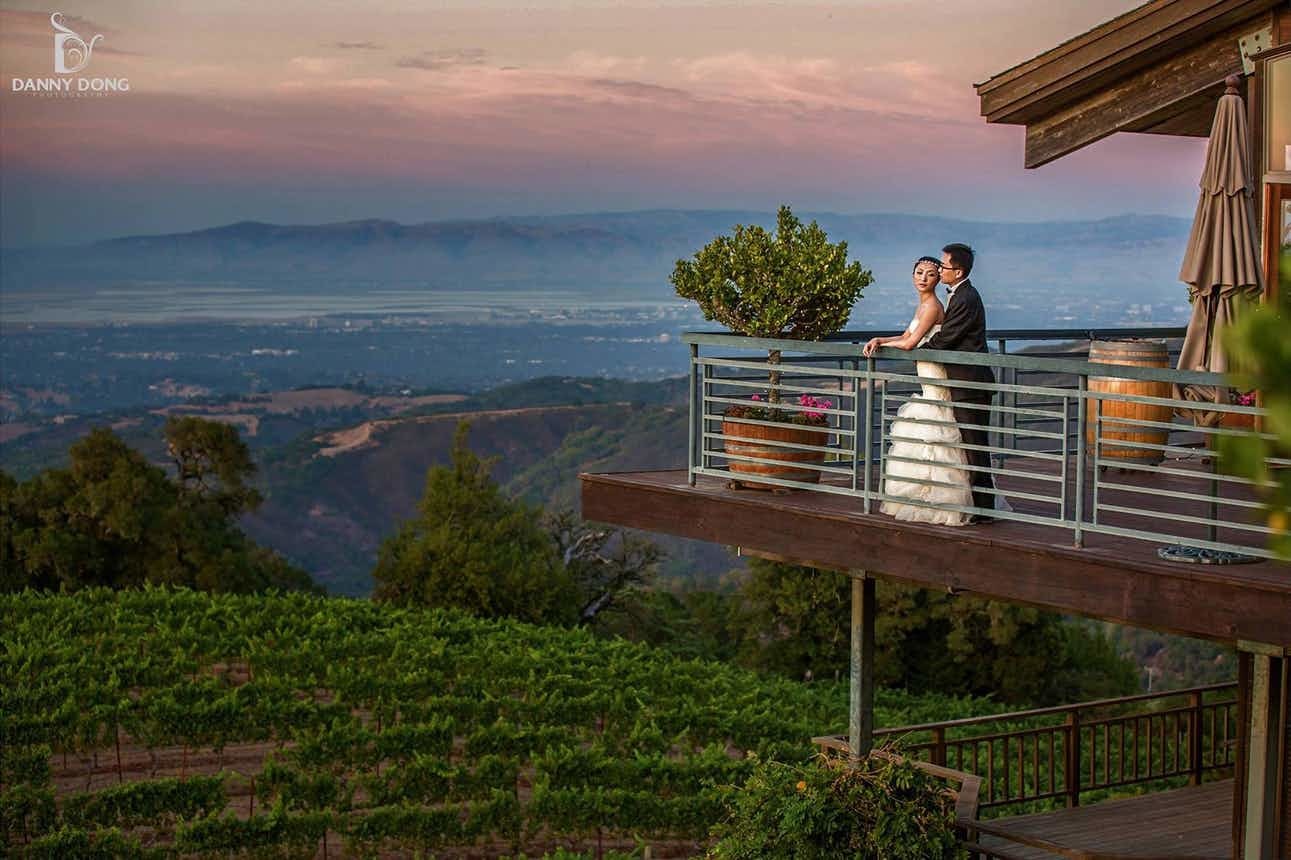
Thomas Fogarty Winery and Vineyards
Your Venue's Geographical Location
For many couples, it's important that the venue they select is easy for the majority of their guests to get to. However, whether you're hosting your event close to home or planning a destination wedding in another city, state or country, you need to think about the logistics of getting everyone to your event site.
Driving and Traffic Considerations
Guests may be traveling a considerable distance by car to get to your wedding destination. Sure, they can use Google Maps or some other navigation tool to get directions to your venue, but those resources aren't always 100% reliable. Given possible freeway system confusion and traffic congestion, you'll save your guests lots of time and trouble if you provide, along with the invitation, specific directions on a separate map drawn to scale. Include symbols indicating directions (north, south, etc.) and the names of the appropriate off-ramps. If you're not sure about exits, landmarks or street names, take a dry run of the route to make sure everything on your map is accurate and easy to follow. If your function occurs after dark, do the test drive at night so you can note well-lit landmarks that will prevent your guests from getting lost—both coming to your event and going home.
If you're having a Friday evening event, take commuters into account, especially if your event site is in an area that gets bumper-to-bumper traffic. One solution is to schedule your get-together after 7pm when freeways are less congested.
Even if you have few constraints when picking a location, it's still worth considering the total driving time to and from your destination. When it's over two hours, an overnight stay may be necessary, and you may be limited to a Saturday night event, since your nearest and dearest won't be able to spend hours on the road during the week. If you're going to need lodging for some of your guests during your celebration, be sure to check out the Guest Accommodations/Room Blocks section for suggestions and info. If you have guests arriving by plane, it's certainly helpful if there's an airport nearby, and if your co-workers, friends or family enjoy drinking, try to house them close to the event site.
There's no reason why you can't contemplate a special event in a spot that's off the beaten path. Just remember that if you're planning a wedding that's not local, a venue's on-site coordinator or a wedding planner can really help: Many are experienced in handling destination events and can be a great asset.
Wedding Style
Do you know what kind of event you want? Will it be formal or informal? A traditional wedding or a modern, innovative party? Will it be held at night or during the day? Indoors or outdoors? Is having a garden ceremony or gourmet food a deal breaker? By identifying the geographical area and the most important elements of your dream wedding before you start looking for a venue, you can really narrow down your search.
Guest Count
How many people are anticipated? Many facilities request a rough estimate 60–90 days in advance of your function—and they'll want a deposit based on the figure you give them. A confirmed guest count or guarantee is usually required 72 hours prior to the event. It's important to come up with a solid estimate of your guest list early on in order to plan your budget and select the right ceremony or reception spot.
It's also important to ensure that the guest count you give the facility before your event doesn't change during your event. Believe it or not, it's possible to have more people at your reception than you expected. How? Some folks who did not bother to RSVP may decide to show up anyway. In one case we know of, the parents of the bride got an additional bill for $1,200 on the event day because there were 30 "surprise" guests beyond the guest count guarantee who were wined and dined. To prevent this from happening to you—especially if you're having a large reception where it's hard to keep track of all the guests—it's a good idea to contact everyone who did not RSVP. Let them know as politely as possible that you will need to have their response by a given date to finalize food & beverage totals.
The Weather Factor
The weather can be a big factor, especially if you're planning to have part or all of your event outdoors. Celebrating under sunny skies is great, but when the mercury rises in inland areas, watch out. A canopy or tables with umbrellas are essential for screening the sun. In fact, you should ask each facility manager about the sun's direction and intensity with respect to the time of day and month your event will take place. Guests will be uncomfortable facing into the sun during a ceremony, and white walls and enclosed areas bounce light around and can hold in heat. If your event is scheduled for midday in July, for example, include a note on your location map to bring sunglasses, hat and sunscreen. If you also mention words like "poolside," "yacht deck" or "lawn seating" on the map, it will help guests know how to dress. In summer, you might want to consider an evening rather than a midday celebration. Not only is the air cooler, but you may also get an extra bonus—a glorious sunset.
If you're arranging an outdoor party when the weather is less reliable and may turn cold or wet, prepare a contingency plan: it's a good idea to have access to an inside space or a tent.
Special Requirements
Sometimes, places have strict rules and regulations. If most of your guests smoke, then pick a location that doesn't restrict smoking. If alcohol is going to be consumed, make sure it's allowed and find out if bar service needs to be licensed. If dancing and a big band are critical, then limit yourself to those locations that can accommodate them and the accompanying decibels. Do you have children, seniors or disabled guests, vegetarians or folks who want kosher food on your list? If so, you need to plan for them, too. It's essential that you identify the special factors that are important for your event before you sign a contract.
Locking in Your Event Date
Let's say it's the first day of your hunt for the perfect venue, and the second place you see is an enchanting garden that happens to be available on the date you want. You really like it but, since you've only seen two locations, you're not 100% sure that this is the place. No problem. You decide to keep your options open by making a tentative reservation. The site coordinator dutifully pencils your name into her schedule book and says congratulations. You say thanks, we have a few more places (like 25) to check out, but this one looks terrific. Then off you go, secure in the knowledge that if none of the other sites you visit pan out, you still have this lovely garden waiting for you.
The nightmare begins a couple of weeks, or perhaps months, down the road when you've finished comparison-shopping and call back the first place you liked to finalize the details. So sorry, the coordinator says. We gave away your date because a) oops, one of the other gals who works here erased your name by mistake (after all, it was only penciled in), b) we didn't hear back from you soon enough, or c) you never confirmed your reservation with a deposit.
For the tiniest instant you picture yourself inflicting bodily harm on the coordinator or at least slapping the facility with a lawsuit, but alas, there's really not much you can do. Whether a genuine mistake was made or the facility purposely gave your date to another, perhaps more lucrative party (this happens sometimes with hotels who'd rather book a big convention on your date than a little wedding), you're out of luck.
To avoid the pain (and ensuing panic) of getting bumped, here's what we suggest: Instead of just being penciled in, ask if you can write a refundable $100–250 check to hold the date for a limited time. If the person in charge is willing to do this but wants the full deposit up front (usually nonrefundable), then you'll need to decide whether you can afford to lose the entire amount if you find a more appealing location later on. Once the coordinator or sales person takes your money, you're automatically harder to bump. Make sure you get a receipt that has the event date, year, time and space(s) reserved written on it, as well as the date your tentative reservation runs out. Then, just to be on the safe side, check in with the facility weekly while you're considering other sites to prevent any possible "mistakes" from being made. When you finally do commit to a place, get a signed contract or at least a confirmation letter. If you don't receive written confirmation within a week, hound the coordinator until you get it, even if you have to drive to the sales office and stand there until they hand it over to you. And even after you've plunked down your money and have a letter and/or contract securing your date, call the coordinator every other month to reconfirm your reservation. It pays to stay on top of this, no matter how locked in you think you are.
Parking
Parking is seldom a critical factor if you get married outside an urban area, but make sure you know how it's going to be handled if you're planning a party in a parking-challenged place like downtown Los Angeles or New York City.
A map is a handy supplement to any invitation, and there's usually enough room on it to indicate how and where vehicles should be parked. Depending on the location, you may want to add a note suggesting carpooling or mention that a shuttle service or valet parking is provided. If there's a fee for parking, identify the anticipated cost per car and where the entry points are to the nearest parking lots. The last thing you want are surprised and disgruntled guests who can't find a place to stash their car, or who are shocked at the $20–40 parking tab.
Professional Help
If you're a busy person with limited time to plan and execute a party, pick a venue that offers complete coordination services, from catering and flowers to decorations and music. Or better yet, hire a professional event or wedding coordinator. Either way, you'll make your life much easier by having someone else handle the details. And often the relationships these professionals have with vendors can end up saving you money, too.
Food and Alcohol Quality
Food and alcohol account for the greatest portion of an event's budget; consequently, food & beverage selections are a big deal. Given the amount of money you will spend on this category alone, you should be concerned about the type, quantity and quality of what you eat and drink. If in-house catering is provided, we suggest you sample different menu options prior to paying a facility deposit. If you'd like to see how a facility handles food setup and presentation, ask the caterer to arrange a visit to someone else's party about a half hour before it starts. It's wise to taste wines and beers in advance, and be very specific about hard alcohol selections.
Bonus Info
If you're not sure what to ask potential venues and event professionals, check out our QUESTIONS TO ASK category. We've put together lists of questions that come in very handy when you're interviewing potential event locations, photographers, caterers, etc.
Are we friends yet? Join MyGuide for more goodness!


Some clients may have paid to be placed in our editorial and some of these links may be affiliate; however, we never include a venue, vendor, or product unless they have a proper place here. This is part of our Core Values. We create our website first and foremost to be good for the couples using it to plan their Big Day. We won't stray from that for a few advertising dollars. #scoutshonor